Marvelous Freedom
World Surrealist Exhibition Chicago 1976
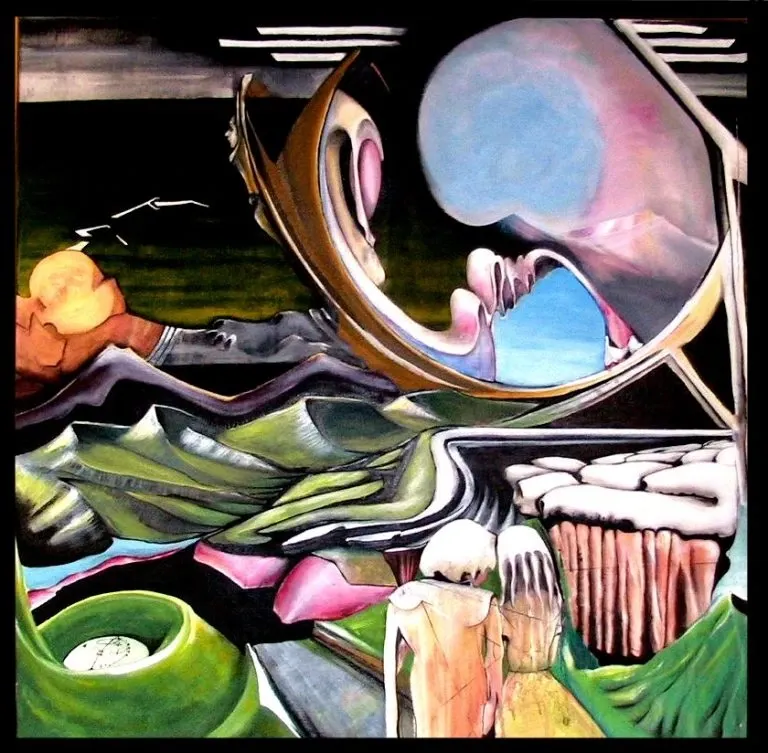
1976
Opening its doors to the public at one o’clock on the afternoon of May Day 1976, Marvelous Freedom / Vigilance of Desire was the first major World Surrealist Exhibition held in the United States since the 1960–61 “Surrealist Intrusion in the Enchanters’ Domain” in New York.
This exhibition, held at Gallery Black Swan in Chicago, marked a high point for surrealism in the United States and around the world. As the catalogue states, “Only surrealists are qualified to organize an exhibition of surrealism.”
Unlike the shows passed off as surrealist by universities, museums, and many galleries at the time, the organizers wrote that they had “refused all concessions to didacticism and retrospection,” and had chosen “to affirm the living and disquieting presence of surrealist inspiration in the four corners of the planet.”
The Surrealist Movement in the United States organized it, with surrealists in Canada, Czechoslovakia, Denmark, England, France, Iraq, Japan, Spain, Portugal, and other countries, and with the Phases movement. It ran through June 19.
More than 500 works by 130 surrealist artists from more than thirty countries were on display, most of them exhibited in the United States for the first time.
As the name suggests, and like surrealist exhibitions before it, the event was organized around Marvelous Freedom, Vigilance of Desire: the current of irreducible revolt and total subversion, which they argued continued to be the animating principles of the surrealist project.
They organized the exhibition as an “expedition through the transparent labyrinth of magnetic signs (signs of the times as well as signs of the timeless).” The journey passed through what they called the Eleven Domains of Surrealist Vigilance.
This site explores those domains, and commemorates the exhibition held fifty years ago, and everyone who took part. It is an invitation onto that excursion: to enjoy, to imagine, and to be challenged by a moment of art and revolution, freedom and possibility.
A book about the exhibition is nearing publication from Charles H. Kerr Publishing Company.
Eleven Domains of Surrealist Vigilance
Each domain is dedicated to (or possessed by, in the voodoo or shamanist sense) a mythological or fictitious figure from the pantheon of poetic insurrection: Alice, Bugs Bunny, the Duchess of Towers, Fantômas, Doctor Faustroll, Harpo Marx, Juliette, Melmoth the Wanderer, Robin Hood, T-Bone Slim, and Peetie Wheatstraw.
The exhibition is designed to pose not only the question Who are you?, but also—by offering an unparalleled initiation into the becoming of the new myth (the surrealist myth, the liberators’ collective dream that must replace all the old repressive myths that weigh like granite on the human brain)—the far more urgent question: Who will you be?
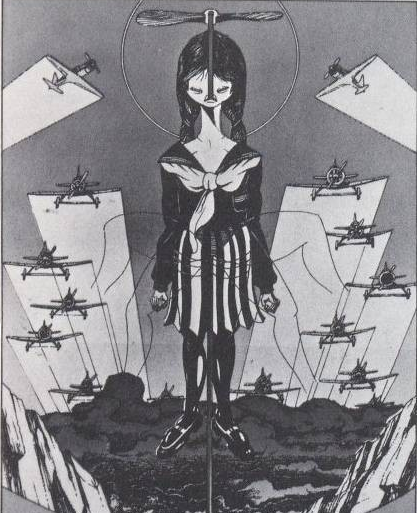
Alice
Ronald L. Papp’s domain takes Lewis Carroll’s Alice as a figure of curiosity, not a nursery mascot. She moves through mirrors, nonsense, and bad manners, and her appetite for the impossible is treated as a way past the refusal of ordinary life.
Schoolgirl, Hiroshi Nakamura
Explore the Domain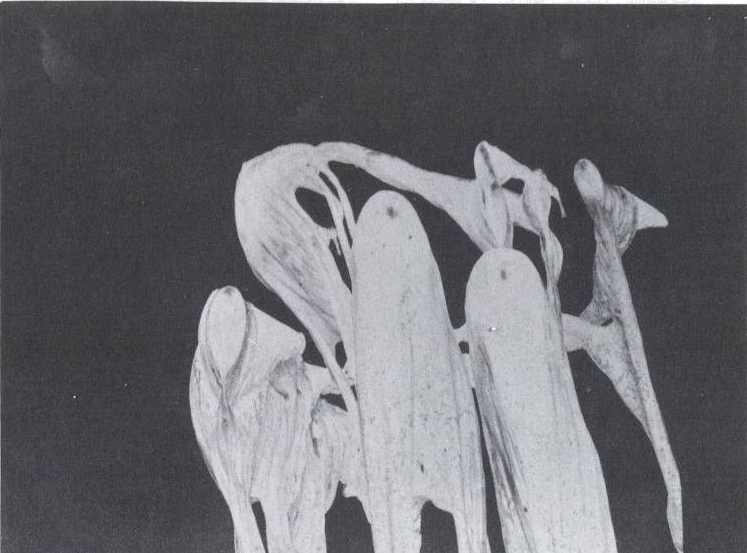
Bugs Bunny
Franklin Rosemont’s domain makes the rabbit a picture of stubborn refusal. A carrot stands in his bed, Elmer Fudd never quite wins, and the joke is that Bugs keeps the last word.
The Magic Sneeze, Penelope Rosemont
Explore the Domain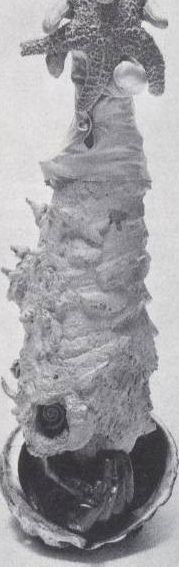
Duchess of Towers
Brooke Rothwell and Janine Rothwell take the Duchess from Peter Ibbetson, where two people meet again by dreaming true. The domain treats that shared dream as a way out of a life that feels like a locked room.
The Heights of Candor, Brooke Rothwell
Explore the Domain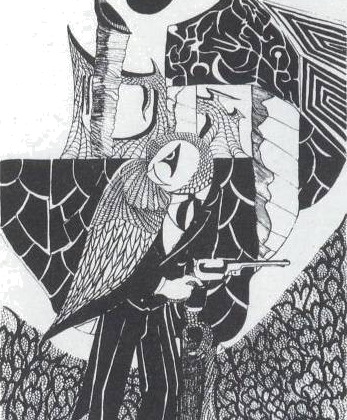
Fantômas
Finn Lauge Thomsen’s domain belongs to the pulp phantom who slips every net of law and order. He is written as an elegant enemy of mere goodness, a night figure who will not let a dream stop halfway.
Beneath a Black Sun, Robert Day
Explore the Domain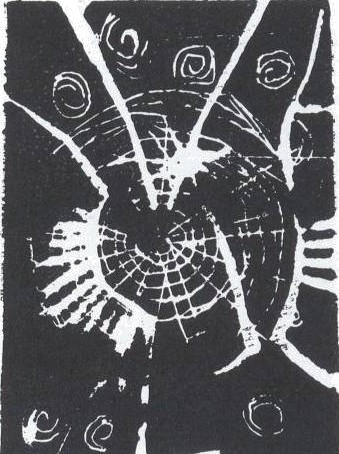
Doctor Faustroll
Robert Green’s domain is Alfred Jarry’s pataphysician. It stays with the science of imaginary solutions, with the exception rather than the rule, and with the laugh that answers a system too sure of itself.
Ubu in the Echo Chamber, Schlechter Duvall
Explore the Domain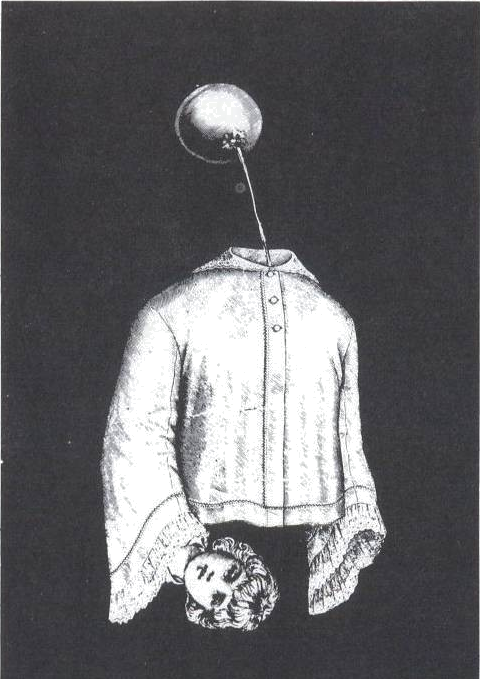
Harpo Marx
Thom Burns’s domain is the silent brother. His muteness is not treated as an absence. It is a coat full of objects, and a refusal of the talk that keeps people in their places.
Homage to Buster Keaton, A.K. El Janaby
Explore the Domain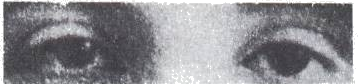
Juliette
Jean-Jacques Jack Dauben and Jocelyn Koslofsky ask Sade’s question — who Juliette is — and answer it at night rather than in daylight. The domain sets her against ordinary masculine self-regard, and against any effort to make her harmless.
Nadja's Eyes
Explore the Domain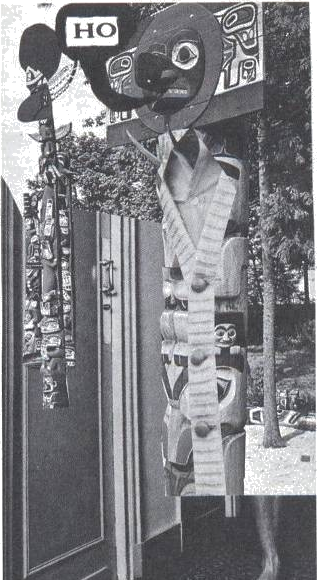
Melmoth the Wanderer
T. R. Johnson’s domain follows Maturin’s damned wanderer, who visits people at the bottom of their luck and opens what ordinary life forbids. The only harmony the text allows him is in his own undoing.
Waiting For Bird, Homage to Charlie Parker, Georges Gronier
Explore the Domain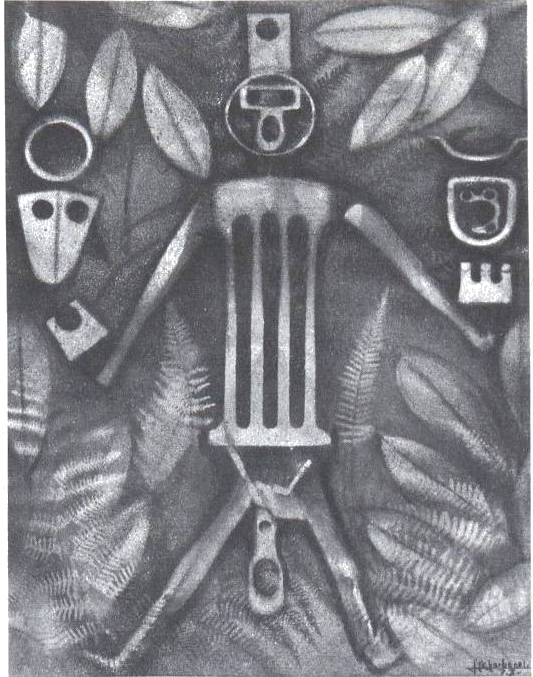
Robin Hood
Penelope Rosemont’s domain is a forest of green gloves, a shelter for outlaws and lovers that the law cannot read. The life there is adventure, humor, and love, and it is free of the obligation to work.
Diver from the Latent Forests, Jean-Claude Charbonel
Explore the Domain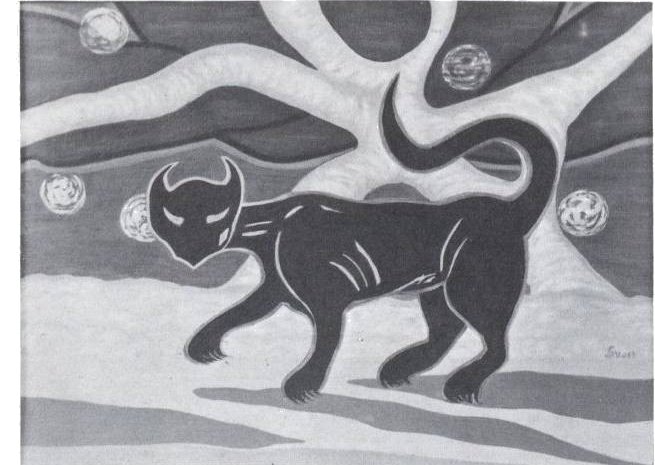
T-Bone Slim
Tristan Meinecke’s domain is the Wobbly poet who wrote as the ideas struck him. The text keeps his laughter, his loyalty to the dreams of his class, and the claim that where there is injustice, the polite thing is to attack.
The Black Cat, Shirley Voll
Explore the Domain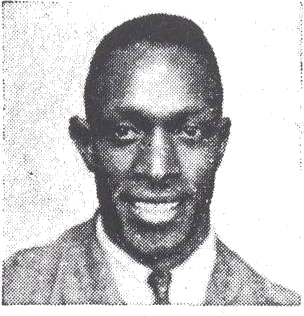
Peetie Wheatstraw
Paul Garon’s domain is the St. Louis blues singer also called the Devil’s Son-in-Law. It stays with his records and with the 1941 newspaper account of his death, when a car struck a freight train.
Peetie Wheatstraw
Explore the Domain
The Chicago Surrealist Group
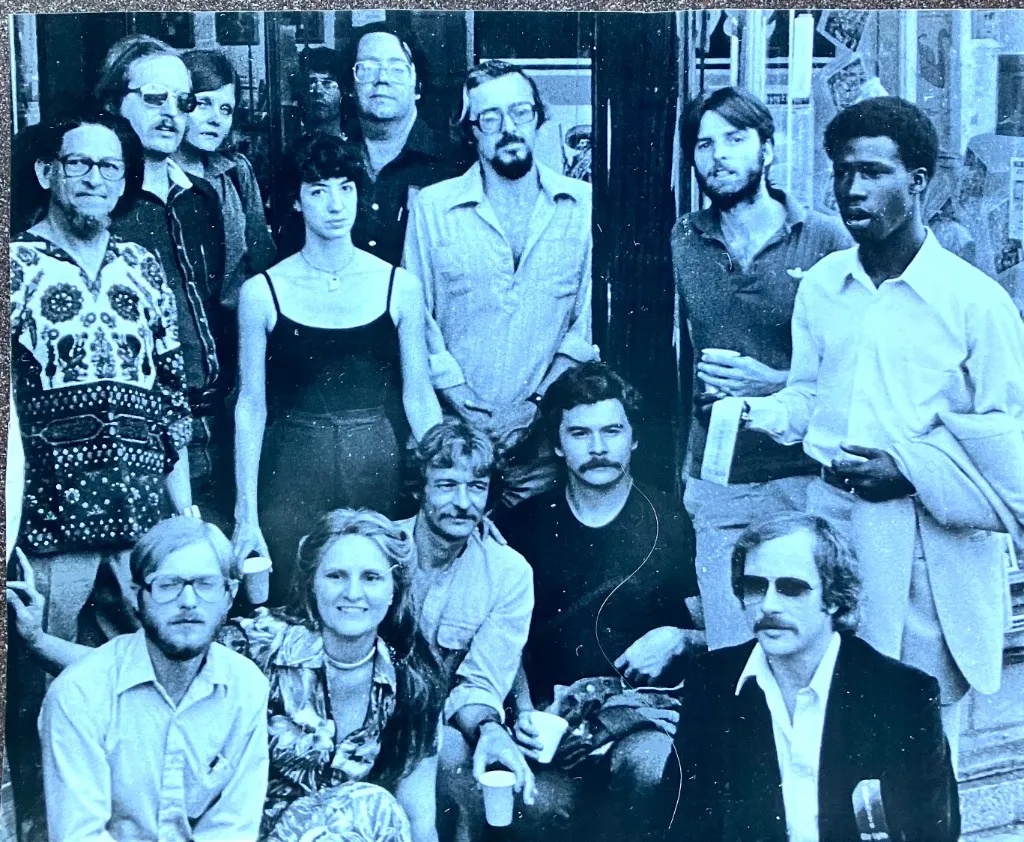
The Chicago Surrealist Group formed in July 1966, after Franklin and Penelope Rosemont returned from Paris having met André Breton and other members of the Paris group. Its roots lay in the Solidarity Bookshop, the Rebel Worker circle, and student life at Roosevelt University—an IWW- and anarchist-tinged milieu that already shared surrealism’s hatred of wage labor, racism, war, and the dreariness of everyday life under capitalism.
Over the following decades the group published Arsenal / Surrealist Subversion, issued books through Black Swan Press, held shows at Gallery Bugs Bunny and Gallery Black Swan, and maintained active ties with surrealists abroad. Blues and free jazz—Chicago’s Great Black Music—were never an ornament but a living proof of the Marvelous; Paul Garon and many others brought that passion into the group’s daily practice.
When the Surrealist Movement in the United States convened Marvelous Freedom / Vigilance of Desire in 1976, the Chicago group did much of the organizing on the ground: the domains, the catalog, the invitations, and the nights of music that made the exhibition as much a festival of desire as a hang of art. This site takes that May Day opening as its starting point and keeps the group’s question in view: not only who are you, but who will you be?